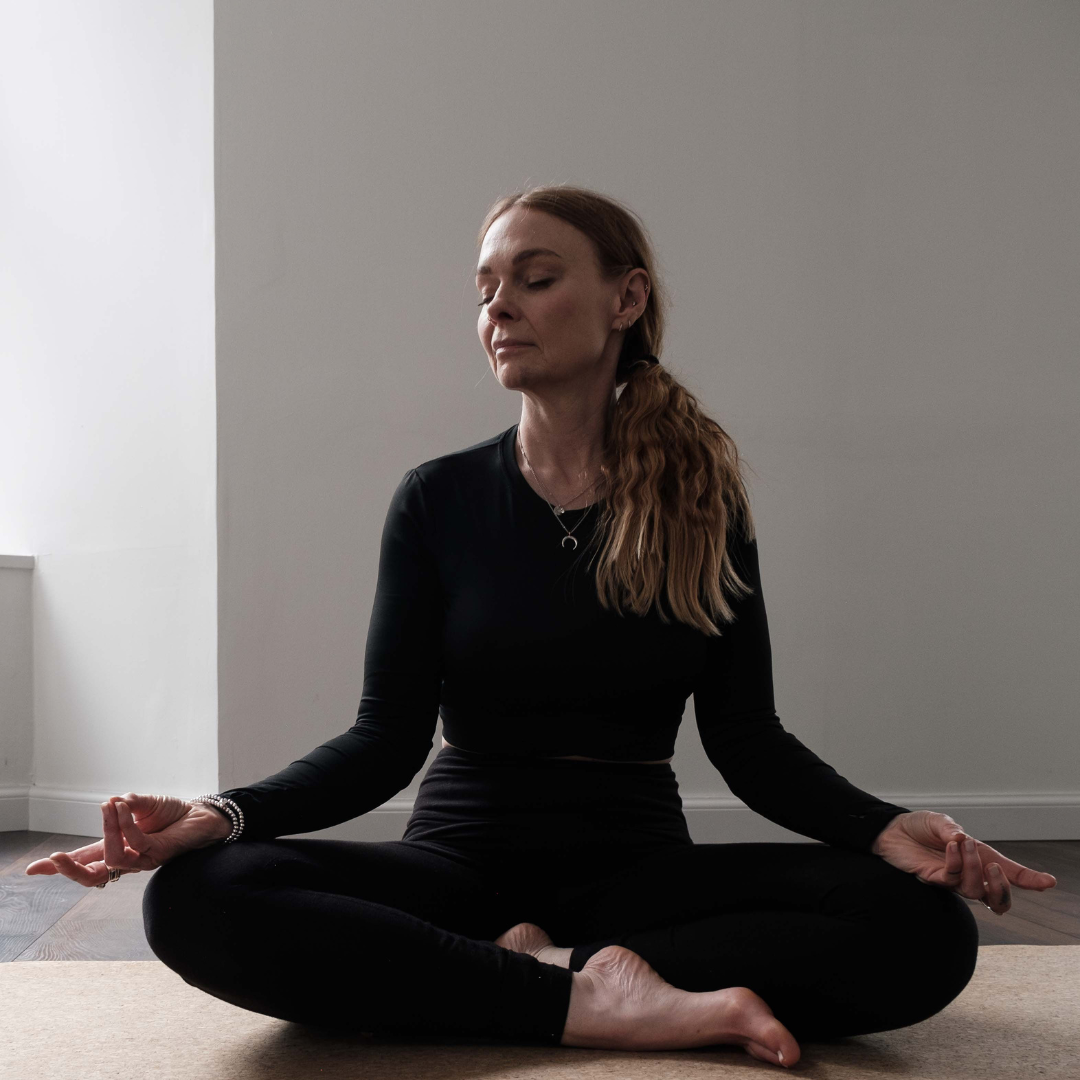
If tamas is the sacred weight of descent and rajas the restless fire of becoming, then sattva is what becomes visible when weight and fire find balance. It is the quality of luminosity, harmony, and intelligibility - the clear seeing that emerges when movement is guided and stillness is awake.
In the previous explorations of the gunas, we met tamas as the womb-like gravity that allows rest, composting and descent, and rajas as the vital fire that propels growth, desire and change. Sattva is not opposed to either. It is born between them: when fire is contained, when weight no longer obscures, when the charioteer of awareness takes the reins.
Sattva allows consciousness to recognise itself reflected in form.
What Is Sattva?
In Sāṃkhya and Yoga philosophy, sattva is associated with light (prakāśa) and intelligence (buddhi). Where tamas conceals and rajas agitates, sattva reveals. It brings coherence to perception, steadiness to the nervous system and discernment to the mind.
When sattva predominates, we experience:
- Mental clarity and emotional equilibrium
- A sense of meaning and inner alignment
- Compassion without overwhelm
- Joy that is quiet rather than intoxicating
- An intuitive sense of what is appropriate in a given moment
Sattva does not rush, nor does it collapse. It responds.
Sattva as the Charioteer
In the Rajas exploration, we met the image of Surya’s golden chariot, drawn by seven powerful horses—rajasic energy itself. Without guidance, those horses exhaust us. With awareness, they carry us in rhythm with the cosmos.
Sattva is that guiding intelligence.
It does not stop the horses, nor does it deny their power. Instead, it holds the reins with sensitivity and precision. Action continues but it is no longer compulsive. Stillness is present but it is not inert. Fire and weight are organised around insight.
This is why sattva feels like ease. Not because nothing is happening but because what is happening makes sense.
Sattva in the Body–Mind
In the embodied being, sattva expresses itself as easeful vitality. Sleep is refreshing rather than heavy. Digestion is efficient rather than urgent. Attention is relaxed yet precise.
The sattvic mind is capable of sustained inquiry. It can witness thought without being dragged into it. This capacity was unavailable in deep tamas and constantly disrupted in excess rajas. Here, awareness can finally rest with experience rather than fighting or fleeing it.
Importantly, sattva is not emotional flatness. Feelings still arise but they move through a spacious field of awareness rather than colliding chaotically or sinking into dullness.
The Subtle Trap of Sattva
Because sattva feels good - clear, ethical, refined - it's easy to become attached to it. Classical yogic texts warn explicitly of this. Attachment to sattva binds us through identification with being “good,” “spiritual,” or “awake.”
This is sometimes called the golden chain.
Unlike the heavy chain of tamas or the burning chain of rajas, the sattvic chain is luminous and subtle. One may cling to serenity, to moral superiority, or to spiritual identity, mistaking refinement for freedom.
Yoga is uncompromising here: liberation lies beyond all three gunas.
Sattva is the doorway but it is not the destination.
Cultivating Sattva Without Rejecting Life
Traditionally, sattva is cultivated through simplicity, rhythm and attunement to natural intelligence:
- Whole, life-giving foods prepared with care
- Honest self-reflection rather than self-judgement
- Practices that calm the nervous system without suppressing energy
- Time in nature, silence and beauty
- Sacred study that expands perception rather than reinforcing belief
From a tantric perspective, sattva does not arise by rejecting density or desire but by integrating them without fragmentation. Fire that is denied becomes destructive. Weight that is resisted becomes inertia. Light that excludes shadow becomes brittle.
True clarity is inclusive.
The Gunas as a Living Cycle
The gunas are not a ladder to climb once and for all. They are a living cycle, present in every day, every breath, every phase of life.
- We need tamas to rest, to gestate, to compost what has been lived.
- We need rajas to act, to create, to engage with the world.
- We need sattva to understand, to integrate, to remember what matters.
Suffering arises not from any guna itself but from imbalance and unconscious identification.
Freedom begins when we can recognise the gunas at play without mistaking them for who we are.
Beyond the Gunas
The Bhagavad Gītā speaks of the one who has is guṇātīta - beyond the gunas. Such a being is not disturbed by descent or momentum, not elated by clarity, not crushed by inertia. They participate fully in life while resting in something prior to its movements.
Sattva brings us to the threshold of this recognition. It refines the instrument of perception until awareness can turn back on itself.
And then, even sattva is laid down.
What remains is not dullness, not agitation, not even clarity as a quality but presence itself.
In the end, the invitation of the gunas is not self-improvement, but self-understanding. To see clearly how nature moves through us - and to discover that we are more spacious than any of its moods.
That discovery is quiet. Luminous. Free.